
The short answer
MTL (mouth-to-lung) means drawing vapor into your mouth first, then inhaling, like a cigarette. It uses a tight draw, higher-resistance coils, low wattage and nic salts or higher-PG juice. DTL (direct-to-lung) means inhaling straight into your lungs, like a deep breath. It uses an airy draw, sub-ohm coils, higher wattage and high-VG freebase e-liquid, and makes much bigger clouds.
Before you pick a device, a coil or even a bottle of juice, it helps to know how you like to inhale. Nearly every hardware decision follows from this one choice. Here’s the difference, and how to tell which one is you.
What is MTL vaping?
Mouth-to-lung is a two-step draw. You pull vapor into your mouth, hold it for a moment, then inhale. The draw is tight and restricted, a lot like smoking a cigarette, which is why most former smokers start here.
- Coils: higher resistance, usually 0.8 ohm and up
- Power: low, roughly 8 to 20W
- E-liquid: nic salts or higher-PG freebase
- Devices: pod systems like the Uwell Caliburn G5 Lite or Vaporesso XROS 5
What is DTL vaping?
Direct-to-lung (also called DL) is one smooth, deep inhale straight into your lungs. The draw is open and airy, and the clouds are big. This is what people mean by sub-ohm vaping.
- Coils: sub-ohm mesh, usually below 0.5 ohm
- Power: higher, often 40W and up
- E-liquid: high-VG freebase at low nicotine, like our 70% VG house e-liquids or The Classic Black Label
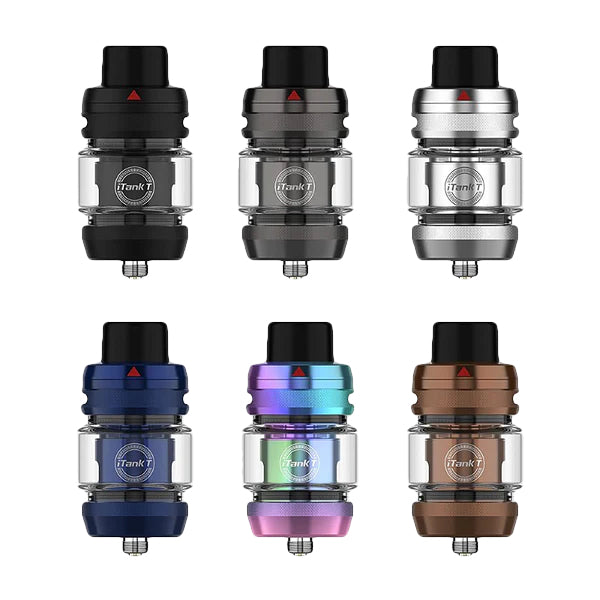
- Devices: sub-ohm tanks on a box mod, such as the Vaporesso Armour S kit, or pod mods like the Geekvape Aegis Hero 5
And RDL, the middle ground
Restricted direct-lung is a direct inhale with a bit of resistance, usually on coils between about 0.5 and 1.0 ohm at moderate wattage. Many adjustable pods, like the Vaporesso XROS Pro 2, can do both MTL and RDL just by changing the coil or airflow.
| MTL | DTL | |
|---|---|---|
| How it feels | Tight, cigarette-like | Open, airy, deep breath |
| Clouds | Small | Large |
| Coil resistance | 0.8 ohm and up | Below 0.5 ohm |
| Wattage | About 8–20W | About 40W and up |
| Best e-liquid | Nic salts, higher PG | High VG (70/30), freebase |
| Nicotine strength | Higher (salts) | Lower (freebase) |
| Juice use | Slow | Fast |
| Typical device | Pod system | Sub-ohm tank + mod, pod mod |
Why the e-liquid has to match
This is where people go wrong. DTL moves a lot of vapor per puff, so it uses low-nicotine freebase juice. Put a high-strength nic salt in a sub-ohm tank and the hit is far too strong. Go the other way and thick 70% VG juice can’t wick fast enough through a tight MTL coil, which leads to burnt hits. Our nic salt vs freebase guide covers this in detail.
Which style should you choose?
- Switching from cigarettes? Start with MTL. The draw feels familiar and nic salts satisfy quickly.
- Want big flavor and clouds? Go DTL with a mesh sub-ohm tank.
- Can’t decide? Pick an adjustable pod that takes different coils, then experiment.
Still unsure? Our beginner’s guide to choosing a first vape walks through the options.
MTL vs DTL FAQs
Is DTL vaping the same as sub-ohm vaping?
Mostly. DTL usually means a sub-ohm coil (below 1.0 ohm, often below 0.5), higher wattage and high-VG juice.
Can I use nic salts for DTL?
It’s not recommended. Salts are made for low-wattage MTL devices, and at sub-ohm power the nicotine hit becomes far too strong.
Which uses more e-liquid?
DTL, by a lot. Bigger clouds mean more juice per puff, so larger bottles make sense for DTL vapers.
Can one device do both?
Many adjustable pod systems can, by swapping between an MTL coil and a lower-resistance coil and opening the airflow.
Find your setup
Our products contain nicotine and are for adults 21 and over only. Nicotine is an addictive chemical.